Published
- 4 min read
Aloe Vera
Overview
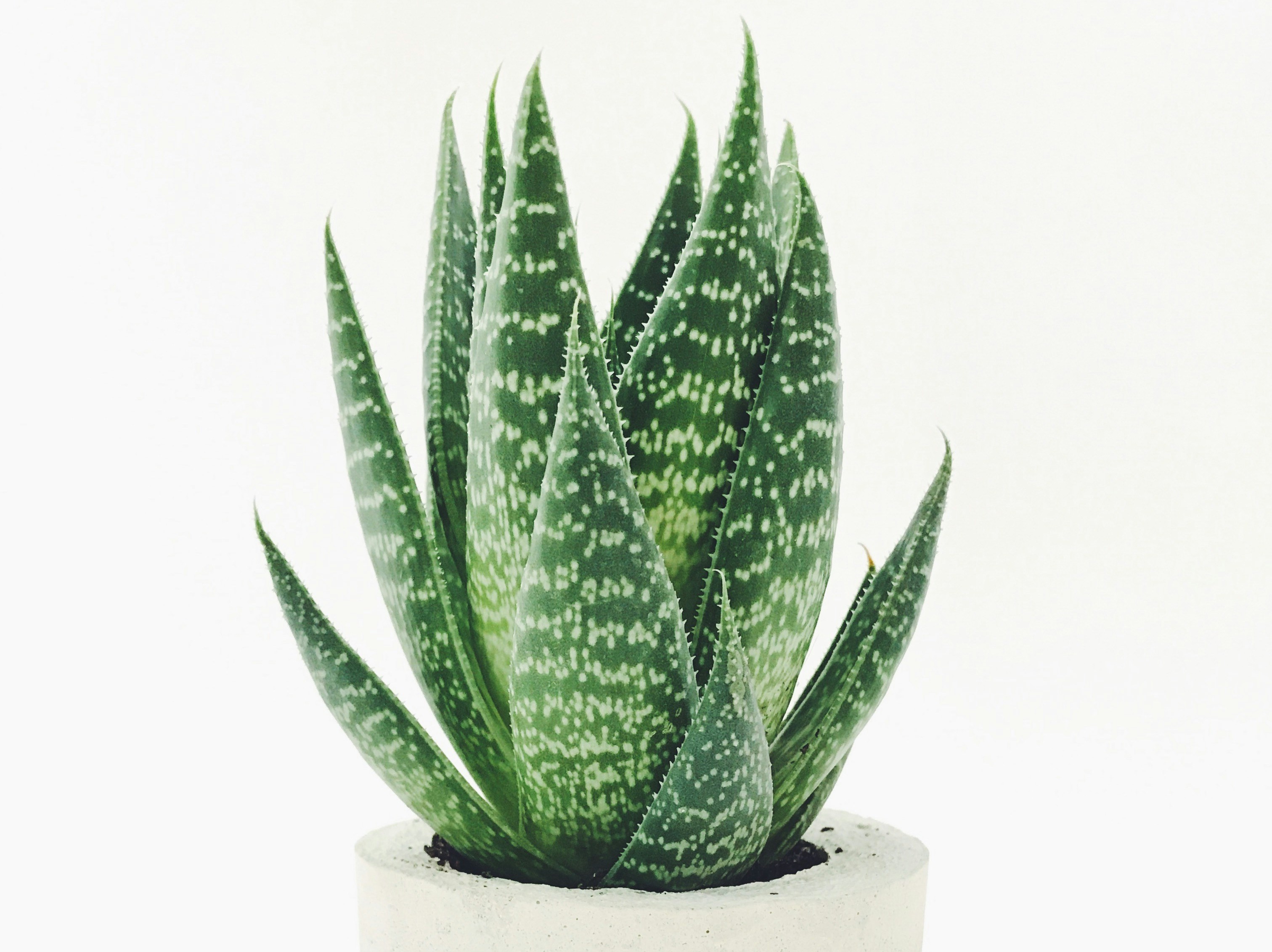
Aloe Vera is one of the most practical succulents you can own. Beyond its striking appearance with upright, spiked leaves, it’s incredibly useful. The clear gel inside each leaf has been used for centuries in skincare and medicine. It’s also one of the easiest plants to care for, making it essential for any plant collection.
Light Requirements
Aloe Vera loves light and thrives with plenty of it:
- Ideal condition: Full sun (6-8 hours daily)
- Indoor growing: Place near a south-facing or west-facing window
- Low light effects: Plant becomes pale, weak, and may lean toward light
- Tip: Rotate the plant monthly for even growth
Watering Schedule
Aloe Vera is extremely drought-tolerant and actually prefers to dry out between waterings:
- Growing season (Spring/Summer): Water every 3-4 weeks
- Dormancy (Fall/Winter): Water every 4-6 weeks or less
- Overwatering: The #1 killer of Aloe Vera plants
- Watering method: Water thoroughly until it drains, then don’t water until soil is completely dry
- Test: Stick your finger 2 inches into the soil—if it feels moist, wait another week
Soil Requirements
Proper soil is critical for preventing root rot:
- Best option: Cactus or succulent soil mix
- DIY mix: Standard potting soil + 50% perlite or coarse sand
- Drainage: Must have excellent drainage (terra cotta or clay pots ideal)
- Pot holes: Essential—never use pots without drainage holes
Temperature & Humidity
- Optimal temperature: 18-27°C (64-81°F)
- Humidity: Very low humidity is perfect; they prefer dry air
- Cold sensitivity: Below 13°C (55°F), growth slows; below 4°C (39°F), plant may die
- Heat tolerance: Excellent; can handle temperatures above 27°C without issue
- Winter care: Keep cool (preferably 13-18°C) to encourage dormancy
Using Aloe Vera Gel
The main reason many people grow Aloe Vera:
How to Harvest
- Wait until the plant is at least 3 years old before harvesting
- Remove outer leaves from the base of the plant
- Cut leaves lengthwise and scoop out the clear gel
- Use immediately or store in an airtight container in the refrigerator (up to 2 weeks)
Common Uses
- Soothing sunburns
- Skincare moisturizer
- Hair conditioning treatment
- Minor wound care (always consult medical professionals for serious wounds)
Propagation
Aloe Vera is easiest to propagate through offsets (pups):
Offset Propagation
- Look for small plants growing around the base of the mother plant
- When they’re 2-3 inches tall, carefully separate them
- Let wounds dry for 3-5 days
- Plant in well-draining succulent soil
- Wait a week before watering
Leaf Cuttings
- Can work but are less reliable than offsets
- Remove healthy leaf, let dry 2-3 days, plant in soil
- Keep soil barely moist until roots form
Growth Pattern
- Growth rate: Moderate; forms new plants (offsets) readily
- Size: Can grow 30-60cm (12-24 inches) tall indoors
- Spread: Often produces multiple rosettes
- Lifespan: Can live 10+ years with proper care
Common Problems
Root Rot
- Caused by overwatering or poor drainage
- Signs: Black, mushy base; rotting smell
- Prevention: Better drainage and less water
- Recovery: Can sometimes be saved by repotting in dry soil
Pests
- Mealybugs and scale insects occasionally appear
- Treat with insecticidal soap or neem oil
Brown/Yellow Leaves
- Usually indicates overwatering
- Reduce watering frequency
- Ensure proper drainage
Pale or Thin Growth
- Sign of insufficient light
- Move to brighter location
Seasonal Care
Spring/Summer
- Increase watering slightly
- Provide maximum light
- Fertilize monthly with diluted succulent fertilizer (optional)
- Monitor for new offsets
Fall/Winter
- Reduce watering significantly
- Move to coolest location available (below 18°C if possible)
- Stop fertilizing
- Minimal care required
Indoor vs Outdoor Growing
Indoors
- Perfect for windowsills
- Works well in living rooms and bathrooms
- Requires bright light (near window essential)
- Easy temperature control
Outdoors
- Thrives in warm climates
- Can be planted directly in ground in USDA zones 9-11
- Excellent in rock gardens or xeriscaping
- Can become very large in optimal conditions
Styling & Display
- Tall, architectural form works in modern interiors
- Looks elegant in ceramic or terra cotta pots
- Perfect for minimalist plant collections
- Practical and beautiful—can be displayed openly in kitchens or bathrooms
Special Features
- Medicinal value: Beyond decoration, it’s functional
- Air purified: Helps purify indoor air while being nearly impossible to kill
- Conversation starter: Guests always ask about the healing properties
- Gift-friendly: Perfect for someone wanting a useful plant
Final Notes
Aloe Vera is the plant for people who forget to water. It actually prefers neglect and thrives on minimal attention. The key to success is accepting that this plant wants to be left alone and only watered occasionally. With this mindset, you’ll have a thriving, useful, and beautiful plant for years to come. Remember: when in doubt, don’t water!