Published
- 5 min read
Burro's Tail
Overview
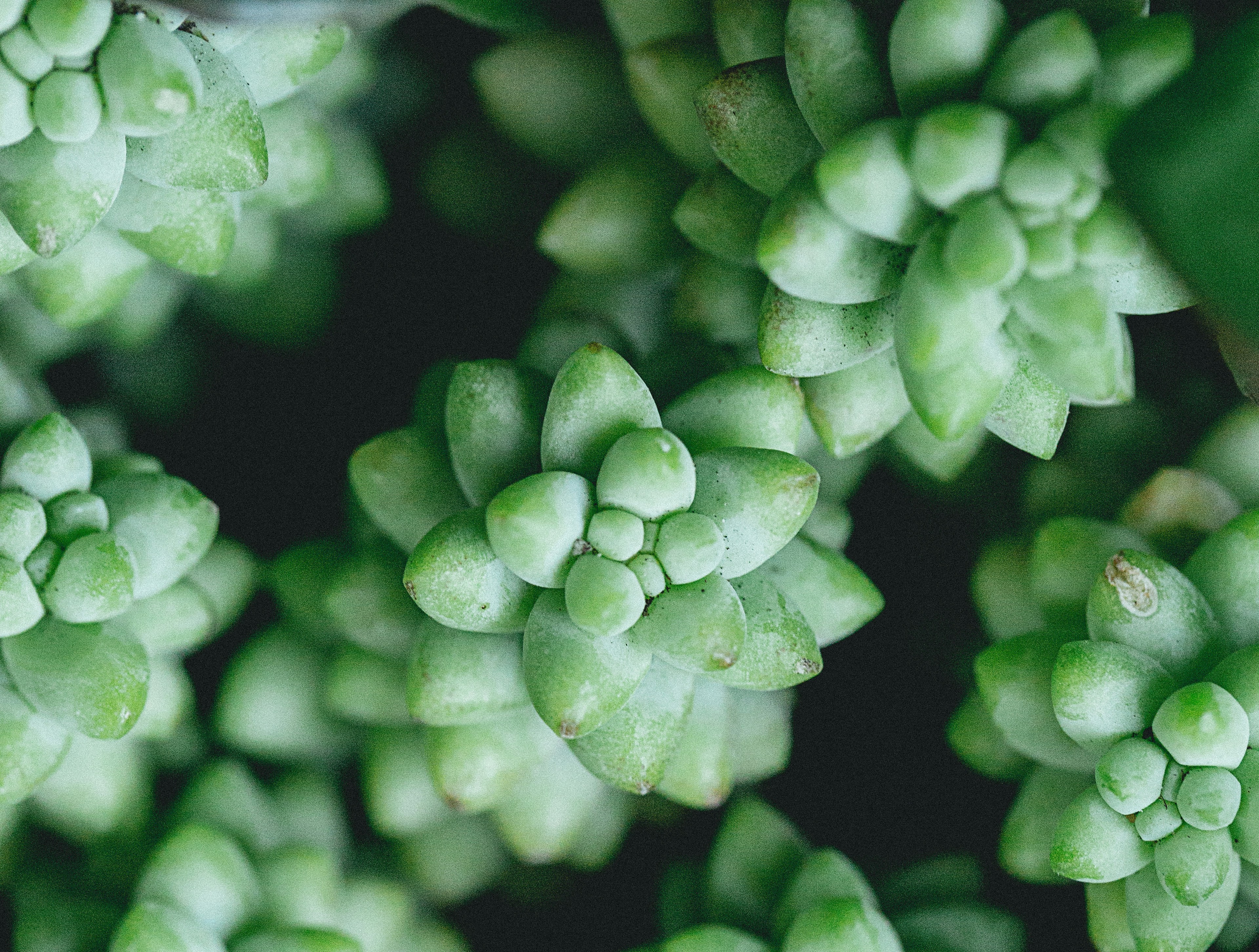
Burro’s Tail (Sedum morganianum), also called Lamb’s Tail or Horse’s Tail, is one of the most dramatic trailing succulents available. Its long strands of plump, fleshy leaves create a flowing waterfall effect that’s perfect for hanging planters. This plant is truly a statement piece—imagine massive cascades of pale green foliage spilling from a high shelf or hanging basket.
Light Requirements
Burro’s Tail prefers bright light but is more sensitive to intense heat than other succulents:
- Ideal: Bright, indirect light (4-5 hours daily minimum)
- Direct sun: Can scorch leaves if plant wasn’t acclimated gradually
- Partial sun: Afternoon shade is beneficial in hot climates
- Indoor: Near south or west-facing windows (with filtering)
- Outdoor: Morning sun, afternoon shade for best results
- Low light: Plant becomes weak and sparse
Watering Schedule
Burro’s Tail needs slightly more consistent moisture than typical succulents:
- Growing season (Spring/Summer): Water when top inch of soil is dry (every 2-3 weeks)
- Dormancy (Fall/Winter): Water every 3-4 weeks or less
- Watering method: Water thoroughly until drains; avoid wetting leaves
- Leaf condition: Plump leaves = adequately watered; wrinkled = thirsty; mushy = overwatered
- Critical balance: This plant is sensitive to both over and under-watering
Soil Requirements
Excellent drainage is critical for keeping stems healthy:
- Soil mix: High-quality cactus/succulent soil with extra perlite
- DIY formula: 60% potting soil + 40% perlite or coarse sand
- Amendments: Add extra perlite if using standard potting mix
- Depth: Shallow to medium pots work best
- Drainage holes: Absolutely essential
Growth Pattern
- Trailing length: Can reach 24+ inches (60+ cm) when mature
- Stem growth: Dense with closely-packed leaves along entire stem
- Growth rate: Moderate; takes time to develop long strands
- Leaf color: Pale green, can develop pinkish tones with age
- Pruning: Can be trimmed to encourage branching and fullness
Propagation
Burro’s Tail is one of the easiest plants to propagate but requires patience:
Leaf Propagation
- Gently remove individual leaves by twisting at base
- Let dry for 1-2 days
- Place on moist succulent soil
- Keep soil slightly moist (more moist than other succulents)
- Tiny rosettes form within 2-4 weeks
- Roots develop shortly after
Stem Cuttings
- Cut 2-3 inch stem segments
- Allow to air dry for 2-3 days
- Plant directly in well-draining soil
- Water lightly every few days until established
- Rooting occurs within 2-3 weeks
- Begin normal watering once rooted
Special Note: Nearly every fallen leaf will propagate—a carpet of propagations under a healthy plant is normal!
Arrangement & Display
Burro’s Tail truly shines in specific arrangements:
Hanging Baskets
- The primary way to display this plant
- Long stems cascade beautifully like a waterfall
- Place high where strands can hang freely
- Avoid high-traffic areas (leaves are fragile)
Shelves and Ledges
- Position on high shelves to showcase cascading growth
- Ensure support can handle weight as plant matures
- Protect from being knocked off
Mixed Container Gardens
- Combines beautifully with upright succulents
- Use as the “trailing” element in mixed plantings
- Complements darker-leafed plants
Terrariums
- Can work but drainage can be challenging
- Ensure excellent ventilation
- Monitor watering closely
Unique Characteristics
- Delicate leaves: Leaves drop easily if brushed; normal but frustrating
- Fragility: Handle gently; don’t brush past it frequently
- Flowers: Produces delicate pink/red flowers in spring (rare indoors)
- Growth speed: Slower than expected; patience required for dramatic effect
- Long maturity: Takes several years to reach full cascading potential
Seasonal Care
Spring
- Begin regular watering as growth season starts
- Bright light is essential for healthy growth
- Feed monthly with diluted succulent fertilizer
- Ideal time to propagate from cuttings
- Expect new growth along stems
Summer
- Maintain consistent watering schedule
- Provide afternoon shade in hot climates (above 30°C)
- Humidity can increase slightly compared to other succulents
- Growth accelerates
- Possible flowering
Fall
- Gradually reduce watering frequency
- Stop fertilizing
- Growth slows noticeably
- Can remain in bright location
- Colors may intensify
Winter
- Minimal watering (every 3-4 weeks or less)
- Cool temperatures encourage dormancy
- Nearly no growth occurs
- Keep in bright location if possible
- Water sparingly
Common Problems & Solutions
Fragile Leaves Dropping
- Normal: This is characteristic of the species
- Causes: Handling, touching, vibration, sudden changes
- Minimize: Place in protected location; handle rarely
- Fallen leaves: Can be propagated!
Sparse or Thin Growth
- Cause: Insufficient light
- Solution: Move to brighter location immediately
- Prevention: Ensure 4-5 hours of bright light daily
Mushy Stems or Rot
- Cause: Overwatering or poor drainage
- Solution: Repot in fresh, dry soil; reduce watering
- Recovery: Often difficult; may need to propagate healthy stems
Wrinkled or Shriveled Leaves
- Cause: Underwatering (rare but possible)
- Solution: Water more frequently; check soil before watering
- Note: Still better to err on dry side
Slow Growth
- Cause: Low light, cold temperatures, or infrequent watering
- Solution: Optimize light, ensure temps above 15°C, water appropriately
- Patience: This plant naturally grows slowly
Pests
- Mealybugs occasionally infest new growth
- Inspect regularly, especially undersides
- Treat with neem oil or insecticidal soap if needed
- Good air circulation helps prevent issues
Hardiness
- Freezing: Dies below freezing (0°C/32°F)
- Cold sensitivity: Growth slows significantly below 15°C
- Outdoor growing: Only in zones 10-11 year-round
- Seasonal move: Bring indoors before first frost in colder zones
Styling & Placement Tips
- Height placement: Install on high shelves, walls, or hanging rods
- Container choice: Decorative hanging baskets in complementary colors
- Visual impact: Position where cascades are visible from below
- Companion plants: Pair with upright succulents in mixed arrangements
- Light source: Position to backlight cascading strands for dramatic effect
Interesting Fact
In its native habitat (Mexico), Burro’s Tail grows as an epiphyte on trees, so it actually prefers slightly more humidity and moisture than most desert succulents. This explains its tolerance for more frequent watering compared to typical sedums!
Final Notes
Burro’s Tail is the drama queen of succulents. While it requires slightly more attention than desert-dwelling cousins, it’s still remarkably easy to grow. The key is finding the right balance of light (bright but not harsh), water (more frequent than most succulents), and placement (high up where its beauty can be fully appreciated). With patience and proper care, you’ll develop a stunning specimen that will be the envy of your plant collection. The reward for your efforts will be spectacular cascading strands of fleshy foliage that truly make a statement!