Published
- 5 min read
Haworthia
Overview
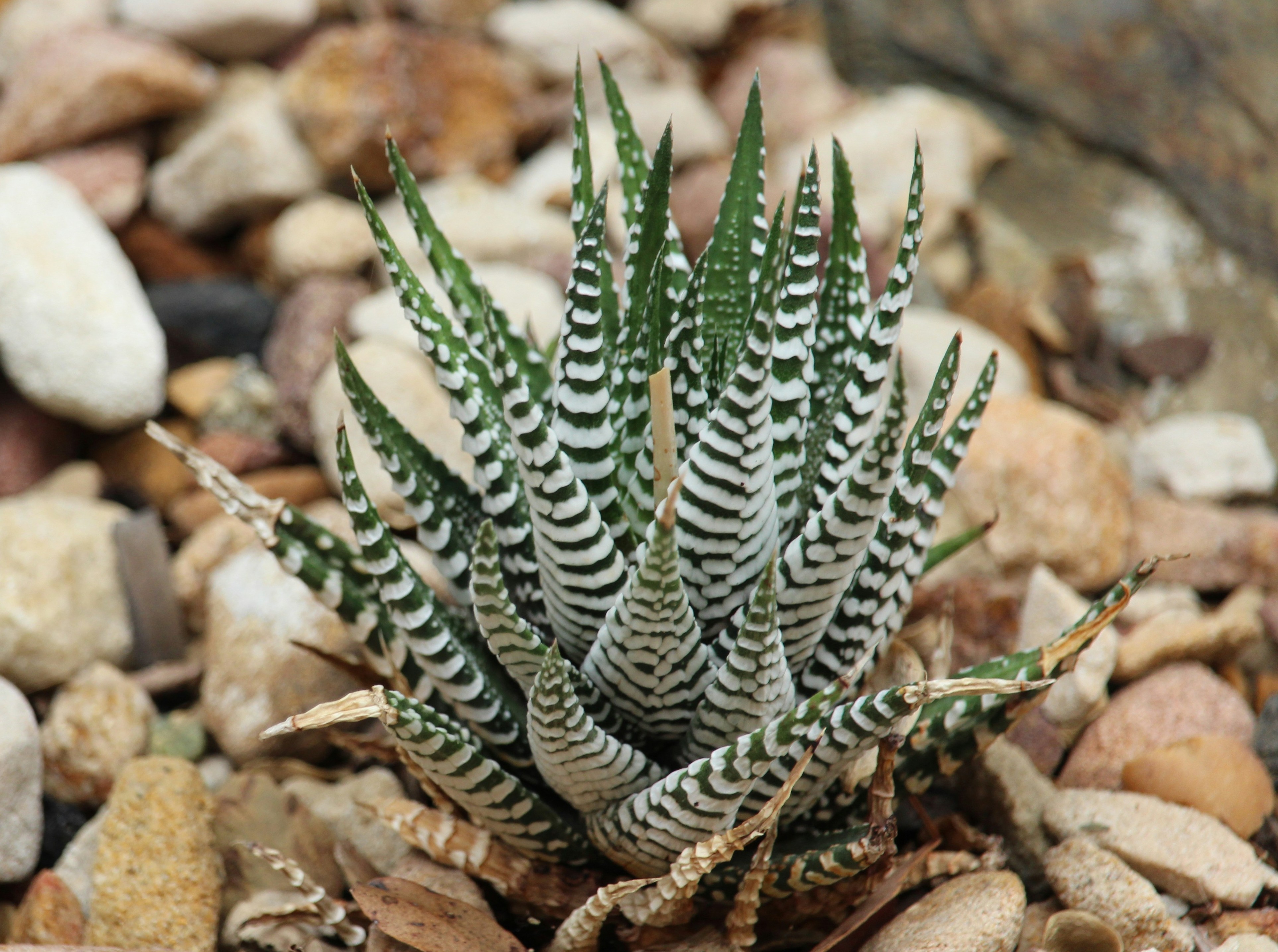
Haworthia is a genus of small, slow-growing succulents native to South Africa. These charming plants feature tightly clustered, fleshy leaves arranged in perfect rosettes, often with striking white bands or tubercles. With heights typically between 2-4 inches, Haworthias are perfect for desks, windowsills, and small containers. They’re ideal for collectors who appreciate miniature gardens and intricate botanical details.
Light Requirements
Haworthias are more tolerant of lower light than many succulents, though they still perform best with good illumination:
- Ideal: Bright, indirect light (30-50% of outdoor light)
- Partial shade: Can tolerate moderate shade better than most succulents
- Indoor: Works well on east or north-facing windowsills
- Direct sun: Can cause leaf scorching; requires gradual acclimation
- Low light: Won’t thrive but survives better than desert succulents
- Growth: More compact and slower in lower light
Watering Schedule
Haworthias need slightly more frequent watering than typical desert succulents:
- Growing season (Spring/Summer): Water every 2-3 weeks
- Dormancy (Fall/Winter): Water every 4-6 weeks, very sparingly
- Soil moisture: Allow to dry between waterings but don’t leave bone dry for weeks
- Watering method: Water thoroughly, drain completely
- Leaves indicator: Firm, plump leaves = good; translucent/soft = overwatered
- Special note: More sensitive to drying out than some succulents
Soil Requirements
Well-draining soil is essential to prevent rot:
- Mix: High-quality cactus/succulent soil
- Amendment: Add 30-40% perlite or sand for extra drainage
- Depth: Shallow pots (2-3 inches) are ideal for these small plants
- Pot style: Clay or terra cotta helps soil dry faster
- Repotting: Every 2-3 years in spring
Growth Pattern
- Size: Typically 2-4 inches in diameter
- Height: Usually stays under 6 inches
- Growth rate: Very slow (takes years to mature)
- Form: Tight rosette formation
- Offset production: Produces baby plants around base
- Lifespan: Can live decades in proper conditions
Leaf Characteristics
Different Haworthia species display stunning patterns:
- Leaves: Thick, succulent leaves arranged in geometric rosettes
- Patterns: White stripes, bands, ridges, or bumpy tubercles
- Coloring: Green, blue-green, or reddish tones
- Texture: Smooth, ridged, or warty depending on variety
- Arrangement: Perfectly symmetrical spirals or stacks
Propagation
Haworthias propagate through offsets and leaf propagation:
Offset Propagation
- Mature plants produce small rosettes around the base
- Once offsets reach 1 inch diameter, gently separate them
- Let wounds dry for 1-2 days
- Plant in well-draining soil
- Water lightly until established (1-2 weeks)
Leaf Propagation
- Remove individual leaves carefully
- Let dry for 2-3 days
- Place on moist soil
- Keep soil barely moist
- New rosettes form within 3-4 weeks
- Very slow process but rewarding
Seed Propagation
- Possible but challenging
- Requires patience (takes many months to germinate)
- Not recommended for beginners
Flowering
Haworthias produce delicate flower stalks:
- Bloom time: Spring to early summer
- Flower appearance: Tiny tubular flowers on a tall stalk
- Flower color: Usually white, pale yellow, or pink
- Duration: Flowers last several weeks
- Frequency: Can bloom regularly on mature plants
- Energy: Flowering takes energy; provide best care during bloom
Seasonal Care
Spring
- Begin watering more frequently
- Move to brightest location available
- Fertilize monthly with diluted succulent formula
- Prime time for propagation
- Flowering may begin
Summer
- Maintain regular watering schedule
- Provide afternoon shade if temps exceed 30°C
- Growth continues
- Continued flowering possible
- Monitor for heat stress
Fall
- Gradually reduce watering
- Growth slows significantly
- Stop fertilizing
- Move to cooler location if possible
- Prepare for winter dormancy
Winter
- Minimal watering (very sparse)
- Cool conditions encourage dormancy
- Growth essentially stops
- Can remain in bright location
- Very little care needed
Container & Display Ideas
Haworthias are perfect for creative displays:
- Individual pots: Small clay or ceramic containers showcase individual plants
- Shallow trays: Create a Haworthia collection in shallow containers
- Terrarium gardens: Perfect for enclosed glass containers (monitor moisture)
- Desk gardens: Compact size ideal for offices and shelves
- Fairy gardens: Perfect scale for miniature landscapes
- Succulent bowls: Group different Haworthia varieties together
Common Problems & Solutions
Slow or No Growth
- Causes: Low light, cold temperatures, or inconsistent watering
- Solution: Improve all conditions gradually
- Patience: This species naturally grows very slowly
Mushy Base or Rot
- Cause: Overwatering or poor drainage
- Solution: Repot in fresh, dry soil; reduce watering dramatically
- Prevention: Err on the side of dryness
Pale or Bleached Appearance
- Cause: Too much direct sun (leaf scorch)
- Solution: Provide bright, indirect light instead
- Acclimation: Gradually increase sun exposure over weeks
Sparse Offsets
- Cause: Stress from poor conditions
- Solution: Improve light and water consistency
- Genetics: Some varieties produce fewer offsets than others
Pests
- Mealybugs occasionally infest rosette centers
- Spider mites possible in very dry conditions
- Treat with neem oil; ensure good air circulation
Interesting Varieties
- Haworthia attenuata: Classic striped variety with white bands
- Haworthia fasciata: Zebra Haworthia with distinctive stripes
- Haworthia limifolia: Lime-colored with ridged leaves
- Haworthia browniana: Large for the genus, nearly 4 inches
- Haworthia cuspidata: Pointed leaves, elegant form
Hardiness
- Cold tolerance: Dies below freezing; prefers temps above 13°C
- Heat sensitivity: Prefers cooler conditions compared to desert succulents
- Indoor growing: Ideal as houseplants year-round
- Outdoor growing: Zones 10-11 only; bring inside in winter elsewhere
Special Notes
Symbiotic Relationships
- In nature, some Haworthias grow under bushes or in grass
- This explains their ability to tolerate lower light than typical succulents
- They’re adapted to dappled or filtered light conditions
Collector’s Plants
- Popular among serious succulent collectors
- Numerous species and cultivars to collect
- Plant societies dedicated to Haworthia cultivation
Final Notes
Haworthia is the perfect succulent for those who appreciate miniature beauty and patience. These resilient, geometrically perfect plants reward careful attention with decades of slow-growing companionship. They’re ideal for plant parents with limited space but unlimited appreciation for botanical precision. While they demand slightly more attention to watering than desert succulents, their small size, stunning patterns, and remarkable longevity make them worthwhile additions to any succulent collection. Start your Haworthia journey and discover why collectors worldwide are passionate about these little treasures!