Published
- 3 min read
Sedum
Overview
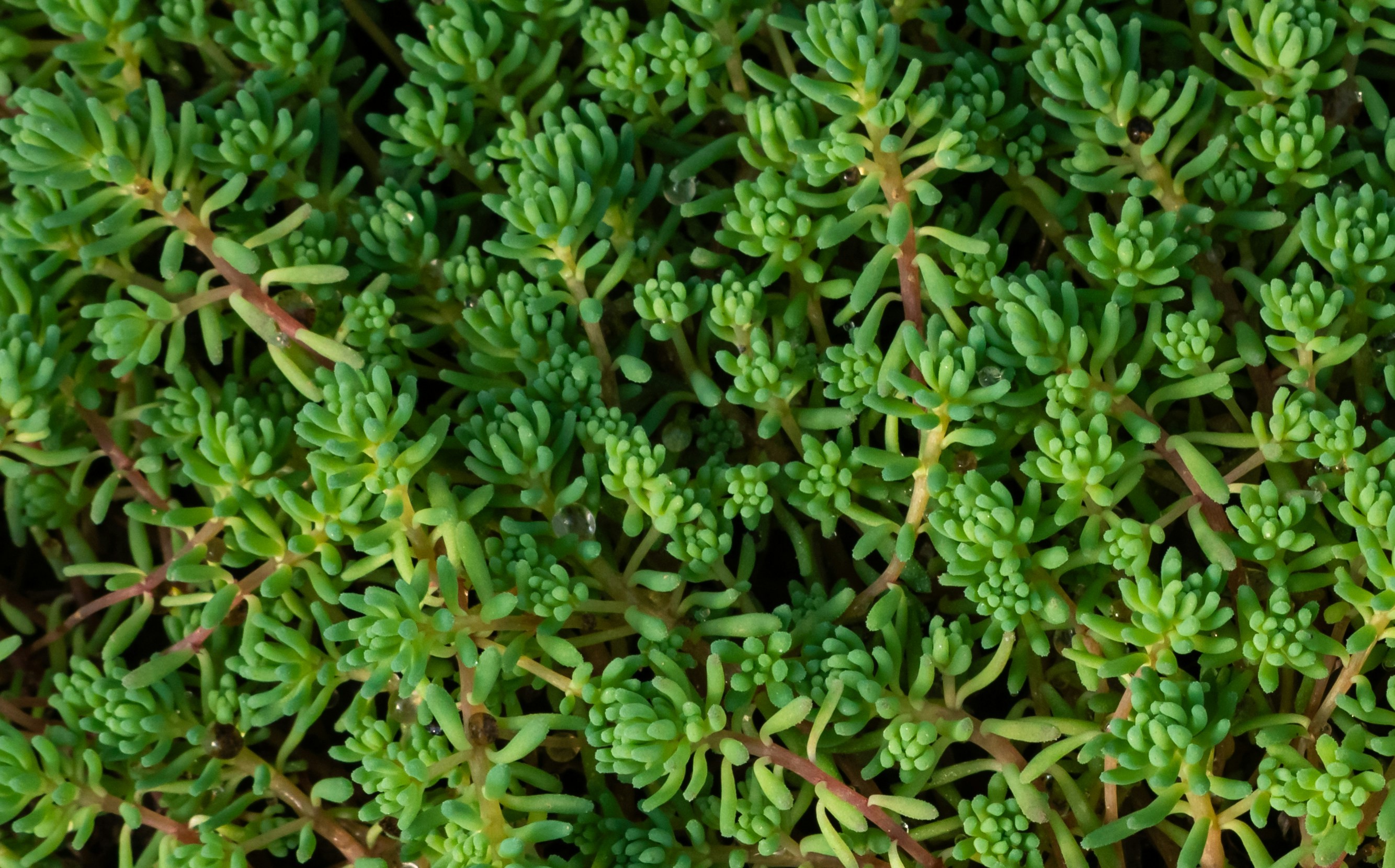
Sedum (particularly Sedum rubrotinctum, commonly known as Pink Jelly Bean Plant or Pork and Beans) is a delightful succulent that develops stunning red and pink hues when exposed to bright light. Its bean-shaped leaves cluster densely, creating attractive, compact rosettes. This hardy plant is nearly impossible to kill and thrives on neglect.
Light Requirements
Light is crucial for the pink coloring that makes these plants so attractive:
- Ideal: 6+ hours of direct sunlight daily
- Color development: More light = more vibrant red and pink tones
- Low light: Leaves remain green and lose their charm
- Outdoor: Excellent for rock gardens, pathways, and containers
- Indoor: South or west-facing windowsills work best
Watering Schedule
Sedum is extremely drought-tolerant and prefers dry conditions:
- Growing season (Spring/Summer): Water every 2-3 weeks
- Dormancy (Fall/Winter): Water sparingly, every 4-6 weeks
- Method: Water thoroughly, drain completely, then let soil dry out
- Overwatering: The primary cause of death—err on the side of dryness
- Leaf indicator: Plump leaves = good; soft/translucent = overwatered
Soil & Container
- Soil: Fast-draining cactus/succulent mix is essential
- DIY mix: 70% potting soil + 30% perlite
- Pot: Must have drainage holes; shallow containers work well
- Repotting: Every 2-3 years in spring
Growth Pattern
- Growth rate: Moderate to fast in optimal conditions
- Height: Usually stays under 9 inches (23 cm)
- Spread: Can reach 12+ inches with spreading growth
- Form: Tends to sprawl and spread outward
- Pruning: Can be pinched back to encourage bushier growth
Propagation
One of the easiest succulents to propagate:
Leaf Propagation
- Remove individual leaves (grasp gently and twist)
- Allow leaf to dry for 2-3 days
- Place on moist soil
- Roots form within 2-3 weeks
- New plantlets emerge from leaf base
Stem Cuttings
- Cut 2-3 inch stems
- Let dry for 1-2 days
- Plant in well-draining soil
- Water lightly until established
- Rooting occurs in 1-2 weeks
Flowering
Sedum produces delicate flowers:
- Bloom time: Late spring to early summer
- Flower color: Yellow, pink, or red depending on variety
- Flower clusters: Star-shaped flowers in terminal clusters
- Duration: Flowers last several weeks
- Fragrant: Some varieties have a light fragrance
Seasonal Care
Spring
- Begin watering more frequently
- Move to brightest location
- Fertilize monthly with diluted succulent fertilizer
- Propagate from cuttings or leaves
Summer
- Maintain regular watering (don’t overdo it)
- Ensure excellent air circulation
- Colors intensify with more sun exposure
- Watch for flowering
Fall
- Gradually reduce watering
- Begin cooler nights encourage drought stress
- Coloring intensifies before dormancy
- Stop fertilizing
Winter
- Minimal watering (nearly none)
- Cool temperatures are beneficial
- Plant enters dormancy
- Color may fade slightly
Common Problems
Etiolation (Stretching)
- Cause: Insufficient light
- Solution: Move to brighter location immediately
- Prevention: Provide 6+ hours of direct sunlight
Rot or Collapse
- Cause: Overwatering or poor drainage
- Solution: Repot in fresh, dry soil; reduce watering
- Prevention: Let soil dry completely between waterings
Pale or Dull Colors
- Cause: Low light
- Solution: Increase sunlight exposure
- Note: Some color loss in winter is normal
Pests
- Mealybugs occasionally appear
- Treat with neem oil or insecticidal soap
- Ensure good air circulation to prevent issues
Display Ideas
- Rock gardens and alpine troughs
- Container gardens mixed with other sedums
- Hanging baskets for trailing varieties
- Shallow dish gardens
- Ground cover for sunny, dry areas
- Windowsill displays to showcase color
Hardiness & Outdoor Growing
- USDA Zones: Most sedums survive in zones 3-11 (check specific variety)
- Winter hardiness: Remarkable cold tolerance for most species
- Outdoor success: Excellent for xeriscaping and dry landscaping
- Perennial: Returns year after year in appropriate climates
Interesting Varieties
- Sedum rubrotinctum: Classic pink jelly bean (what most people grow)
- Sedum spathulifolium: Pale blue with dark tips
- Sedum spurium: Ground cover with rosy hues
- Sedum morganianum: Burro’s tail relative
- Sedum sunsparkler: Compact, with red flowers
Final Notes
Sedum is the ultimate “set it and forget it” succulent. The key to stunning color is plenty of light; the key to survival is minimal water. With bright windows or outdoor placement and a hands-off watering approach, your Sedum will reward you with vibrant, jewel-toned foliage. These plants are not only beautiful but also incredibly practical for busy plant parents. Enjoy your colorful, low-maintenance companions!