Published
- 6 min read
Sempervivum
Overview
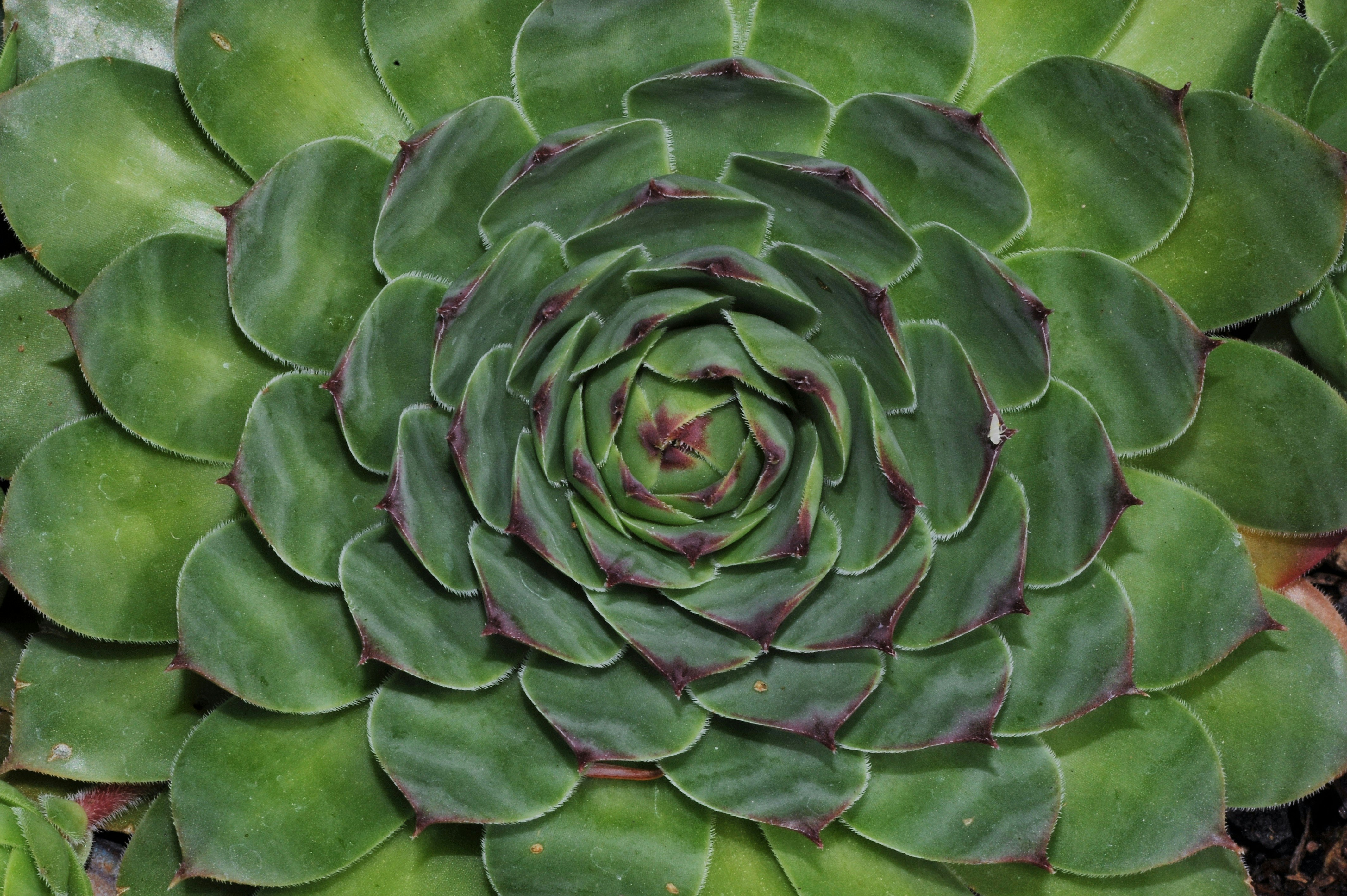
Sempervivum, commonly called “Hens and Chicks,” is one of the most resilient succulents available. These hardy plants form attractive rosettes of fleshy leaves in stunning colors ranging from greens to deep purples and reds. The plant earns its common name from the way the mother plant (hen) produces numerous baby rosettes (chicks) around its base. Sempervivums thrive outdoors in cold climates and can survive freezing winters, making them perfect for rock gardens, alpine troughs, and year-round outdoor cultivation.
Cold Hardiness: A Unique Benefit
Sempervivum is the cold-hardiest succulent genus:
- Hardiness: USDA Zones 3-11 (can survive -30°C/-22°F)
- Freezing: Not only survives but actually needs cold for health
- Outdoor growing: Exceptional for northern climates
- Year-round cultivation: Can remain outside through winter
- Unique advantage: Unlike most succulents, cold improves color intensity
- Alpine origins: Evolved in harsh mountain environments
Light Requirements
Sempervivum is adaptable to various light conditions:
- Ideal: Full sun (6+ hours daily)
- Color development: More sun = more vibrant reds, purples, oranges
- Partial shade: Can tolerate afternoon shade, especially in hot climates
- Low light: Manages better than most succulents but becomes pale
- Indoor growing: Possible near very bright windows, though outdoor preferred
- Seasonal color: Cold weather also intensifies colors
Watering Schedule
Sempervivum is extremely drought-tolerant once established:
Establishment Phase (First Year)
- Water regularly during growing season if rainfall insufficient
- Keep soil slightly moist, not wet
- Once rooted, drought tolerance increases
Established Plants
- Water during extended dry periods
- Natural rainfall often sufficient
- Minimal watering needed in cooler months
- Practically maintenance-free
Outdoor Growing
- Native rainfall is usually adequate
- Watering rarely needed
- In containers: water when soil completely dry
- Dry conditions = more compact, colorful plants
Watering Caution
- Overwatering causes rot
- Better too dry than too wet
- Drainage more important than frequency
Soil Requirements
Sempervivum is not fussy about soil but good drainage helps:
- Outdoor: Adapts to poor, rocky soil
- Container: Use cactus/succulent soil
- Amendment: Add extra sand or grit for sluggish drainage
- pH: Tolerate slightly acidic to alkaline
- Nutrients: Minimal fertilizer needed or beneficial
- Rock gardens: Perfect among rocks and gravel
Growth Pattern & Reproduction
Sempervivum’s unique multiplication strategy:
- Growth form: Tight, geometrical rosettes (1-4 inches diameter)
- Lifespan of rosette: Mother rosette flowers once (monocarpic) then dies
- Chick production: Before dying, produces 10-50+ baby rosettes
- Multiplication: This ensures continuous plant population
- Spread rate: Can cover large areas over years
- Height: Usually prostrate, though flower stalks reach 6-12 inches when blooming
The Flowering Process
Sempervivum’s bloom cycle is natural and important:
- Bloom age: Takes 3-6 years to produce flowers
- Bloom time: Late spring to early summer
- Flower appearance: Star-shaped flowers in clusters
- Flower colors: Pink, red, yellow, or white depending on species
- Flower stalk height: 6-12 inches above the rosette
- One-time event: After flowering, that rosette dies
- No concern: Surrounded by babies that will continue
Seasonal Color Changes
One of Sempervivum’s appeals is seasonal color variation:
Spring
- Green or pale coloring
- New growth emerges
- Cool weather beginning
Summer
- Coloring darkens with heat and sun
- Reds, purples, and oranges develop
- At their palest if cooler summer
Fall
- Intensely colored
- Colors peak before cold season
- Most visually striking period
Winter
- Colors deepen further
- Cold enhances pigmentation
- Some varieties develop burgundy or nearly black tones
Propagation
Sempervivum propagates naturally and easily:
Natural Offset Division
- Mature plants produce numerous chicks
- Can be separated any time during growing season
- Simply remove baby rosettes and plant in soil
- Small root nubs develop quickly
- Rooting takes 1-2 weeks
- Watering minimal during establishment
Leaf Propagation
- Remove individual leaves
- Let dry for 1-2 days
- Place on moist soil
- Tiny rosettes form at leaf base (slow)
- Takes several weeks longer than offset method
Seed Propagation
- Collect seeds from flowers
- Sow on well-draining soil
- Keep barely moist
- Germination in 1-3 weeks
- Slow initial growth
Container & Display Ideas
Sempervivum adapts well to various growing situations:
Rock Gardens
- Natural habitat appearance
- Combine with alpine plants
- Rocks provide excellent drainage
- Mimics native mountain environments
Alpine Troughs
- Perfect scale for shallow containers
- Combine multiple varieties for color contrast
- Very attractive focal points
Living Roofs & Green Roofs
- Excellent for sedum roofs
- Extremely drought-tolerant
- Cold hardy for northern installations
- Low maintenance green infrastructure
Container Gardening
- Shallow pans and bowls
- Combine different colors and varieties
- Fast-moving changing displays
- Award-winning container arrangements
Groundcover
- Plant directly in garden for spreading effect
- Year-round color
- Perfect for rock gardens and xeriscaping
- Minimal maintenance once established
Seasonal Care
Spring
- New growth emerges
- Increase watering if rainfall light
- Flowering may begin on mature plants
- Remove dead rosettes from previous year
- Divide and propagate chicks
Summer
- Established plants need little water
- Colors intensify
- Heat tolerance excellent
- Most resilient period
- Continue enjoying the display
Fall
- Colors peak
- Flowering season may continue
- Reduce watering further
- Prepare for winter cooldown
- Most visually striking season
Winter
- Dormant but hardy
- Colors remain deep and vibrant
- No watering needed
- Snow won’t damage plants
- Very little maintenance
Interesting Varieties
Over 40 species and hundreds of cultivars exist:
- Sempervivum tectorum: Common Houseleek, very hardy
- S. arachnoideum: Cobweb Houseleek with delicate webbing
- S. calcaratum: Ruby-red varieties
- S. goethanum: Small with deep brown/red coloring
- S. montanum: Alpine species from mountains
- S. soboliferum: Produces baby rosettes high on stems
- S. civettatum: Striking red coloring
Common Problems & Solutions
Rot During Wet Seasons
- Cause: Poor drainage or excessive rain
- Solution: Improve drainage, mulch with gravel
- Prevention: Plant in elevated areas or mounds
Sparse Chick Production
- Cause: Usually stress (poor light, cold winters)
- Solution: Improve conditions gradually
- Genetics: Some varieties naturally produce fewer offsets
Pale Coloring
- Cause: Insufficient light or warm winters
- Solution: Ensure 6+ hours sun; natural cold helps color
- Note: Some fading in summer heat is normal
Tall, Legacy Rosettes
- Cause: Plant approaching flowering time
- Phenomenon: Normal before flowering and death
- Solution: Enjoy the flower display; remove rosette after
- Expected: This is the plant’s natural reproductive cycle
Pest Issues
- Rarely problematic outdoors
- Spider mites possible in very dry heat
- Mealybugs occasionally on weak plants
- Excellent air circulation prevents most problems
Winter Care in Cold Climates
Snow and Ice
- Plants survive heavy snow
- Snow actually provides insulation
- No special winter protection needed
- Hardy to zone 3 without intervention
Container Plants in Cold
- Outdoor containers may need drainage holes cleared
- Extra grit in soil aids drainage
- Avoid water traps in rosettes
- Most hardy; can survive light freezing in pots
Southern Climates
- Cold dormancy triggers flowering
- Warmer zones may need refrigeration inducement
- Or simply enjoy green winter growth
Hardiness Comparison
| Plant | Hardiness | Year-Round Outdoor |
|---|---|---|
| Sempervivum | Zones 3-11 | Yes, even cold zones |
| Sedum (most) | Zones 3-9 | Yes, but varies by species |
| Jade Plant | Zones 10-11 | Container only in north |
| Echeveria | Zones 9-11 | Bring inside in cold |
Styling & Landscape Uses
- Rock gardens: Ultimate choice for alpine plantings
- Xeriscaping: Low water, cold-hardy landscaping
- Stone walls: Beautiful in wall crevices
- Path edges: Plant along garden pathways
- Container combos: Mixed with other sedums and alpines
- Succession planting: Plant new generations as hens die
Final Notes
Sempervivum is the succulent for everyone—especially those in cold climates or seeking low-maintenance plants. With remarkable cold hardiness, stunning seasonal colors, and a charming reproductive system of hens and chicks, these plants offer year-round botanical interest. They thrive on neglect outdoors, require minimal intervention, and provide rewards without fuss. Whether you’re creating an alpine garden, establishing a living roof, or simply want beautiful, permanent outdoor plantings, Sempervivum proves that succulents don’t need to be warm-climate plants. Embrace the cold-hardy beauty of Hens and Chicks and discover why these ancient survivors continue to enchant gardeners across temperate regions!